

Coin Collecting for Kids: How to Start and What to Give


Start with a coin folder, a cheap magnifying glass and a roll of quarters from the bank to dig through. That's it. Kids take to it for the same reasons adults do: there's a hunt, there's a set with empty holes that wants filling, and every coin has a story stamped on it. The gift ideas further down run from a book up to a first silver coin. Full disclosure: Pure is our marketplace for coins and bullion, and a few of the gift links below go there.
Why kids take to it
History they can hold. Look closely at the 2026 Constitution quarter and the clock on Independence Hall's steeple reads 2:50. That's 250, for the anniversary. It's tiny. A kid with a magnifier will find it.
Then there's the hunt. Pocket change is free to search, and older coins still turn up in it: wartime nickels from late 1942 through 1945 are 35% silver and carry a big mint mark above Monticello's dome, which is easy for a sharp-eyed eight-year-old to spot once they know where to look. Most of what a kid finds will be ordinary. They'll keep looking anyway.
And sets. A folder with a labeled hole for every design turns a jar of change into a project with an end. The Mint's 50 State Quarters program ran on exactly that: five new designs a year from 1999 to 2008, in the order the states joined the Union. If you were a kid back then, you might have had one of those fold-out maps with a hole for every state.
Pick one theme first
A kid who collects "everything" ends up with a coffee can. One theme gives them a finish line. Three that work well with coins you can still find:
The 2026 quarters
Five designs this year for the semiquincentennial, each with its own front and back, all dual-dated 1776 ~ 2026. A five-hole set is small enough to finish. Our guide to all five 2026 quarters has the designs and release dates. One thing to get straight with a kid early: the ones in circulation are copper-nickel clad, the same metal as any other circulating quarter. There's no silver in them.
After that, the 50 state quarters make a natural next folder, and plenty of them still show up in change.
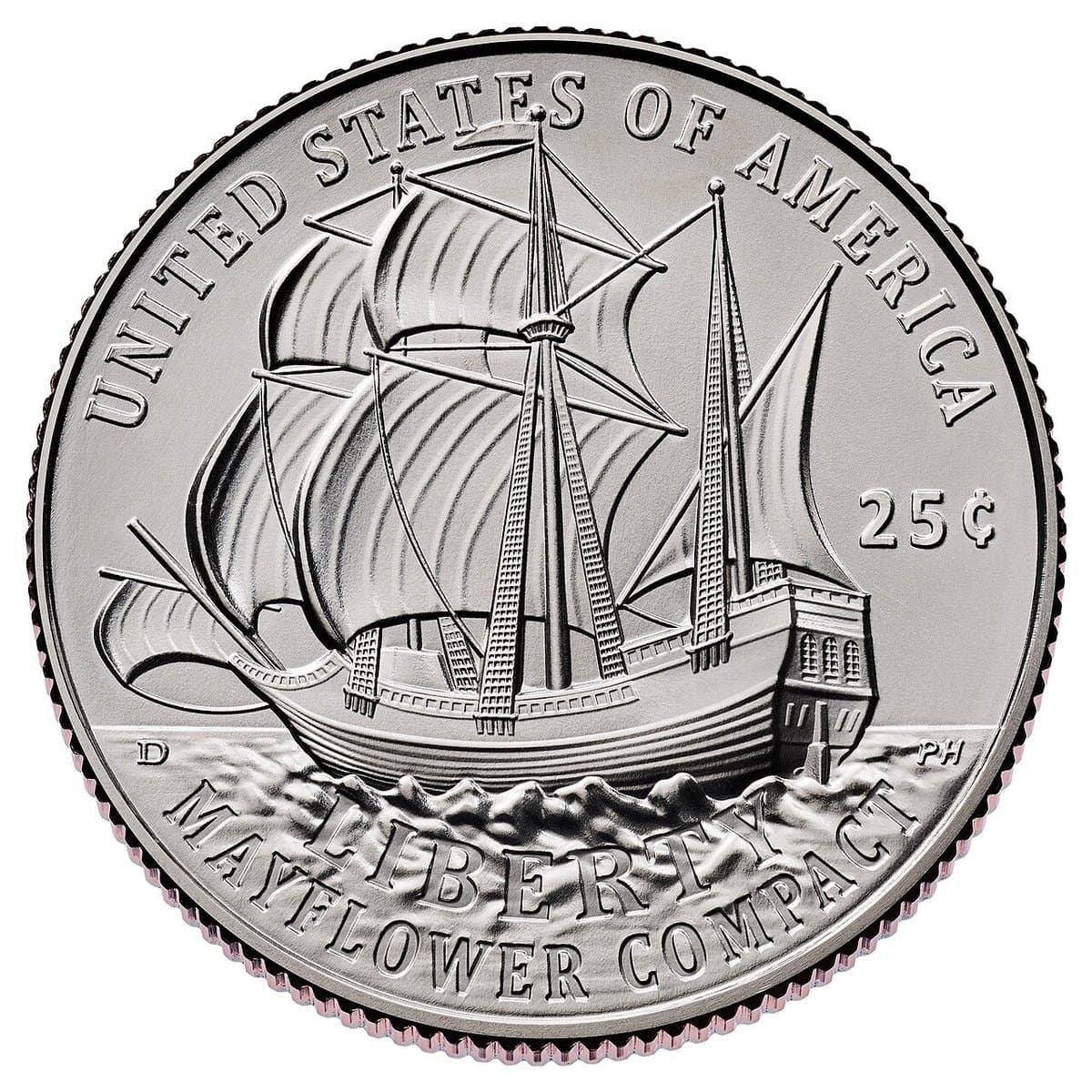
Image: United States Mint, public domain.
Lincoln cents
The deepest pool, and it costs almost nothing. Lincoln has been on the cent since 1909, so a date-by-date folder is a long project, and older Wheat cents still come out of family jars. And the series finally has an ending. The Mint struck its last cent for circulation on November 12, 2025, and any it makes now are for collectors. The ones already in your change drawer still count.
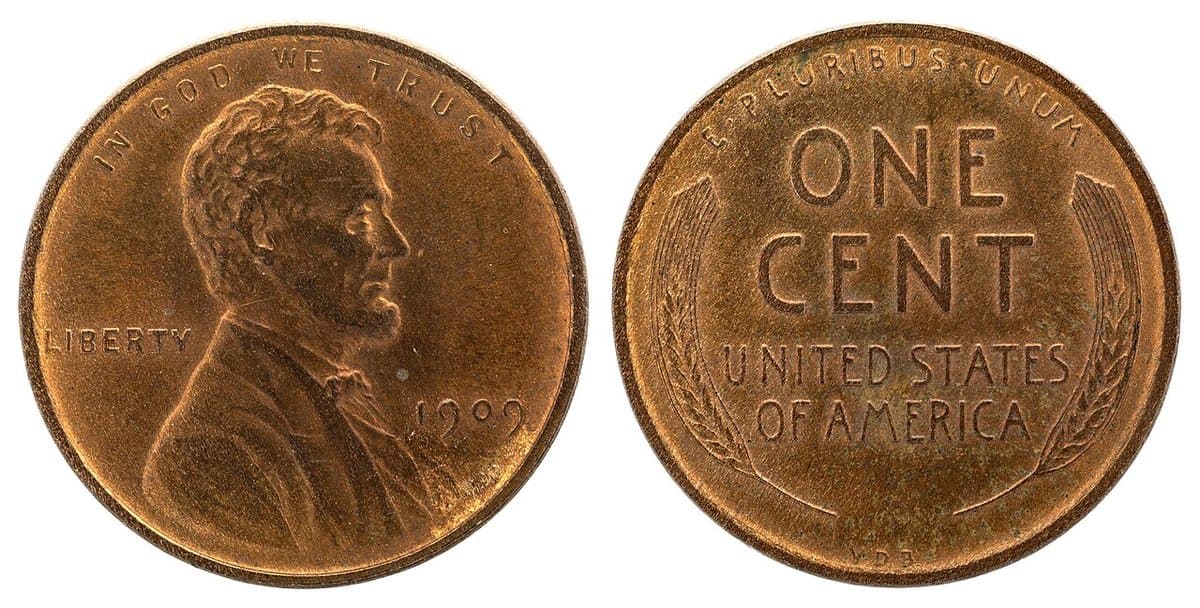
Image: Smithsonian National Numismatic Collection, public domain.
Jefferson nickels
Fewer dates than cents, with that wartime silver run in the middle. Teaching a kid to check for the big P, D, or S above the dome is a good first lesson in mint marks.
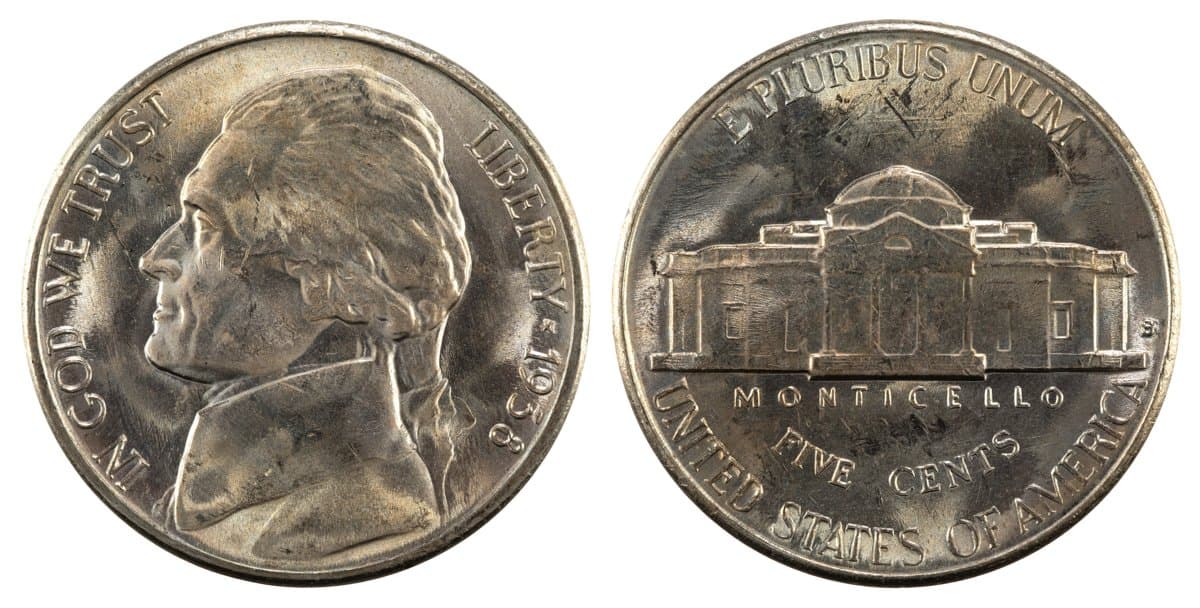
Image: Smithsonian National Numismatic Collection, public domain.
The starter kit
Keep it small. A folder and a magnifying glass are enough to start.
A folder for the theme. Cardboard, a hole for each date or design, and the coin presses in. Albums cost more and some let you see both sides; save one for when the interest sticks.
A magnifier. A handheld glass is fine for little kids. Older ones can move up to a loupe. Collectors tend to pick 5x, 7x or 10x, and a good one is usually under $50.
Cotton gloves or a soft cloth to work on. Skip the gloves for pocket change. Don't skip the folded towel under the coins, since a dropped coin picks up nicks.
A book. The collector's line is "buy the book before the coin." For a reader around 10 and up, get the Red Book, A Guide Book of United States Coins. Its first edition went on sale in November 1946, and today it lists every US coin by year and mint mark. Little kids are better off with a picture book, and Whitman, the Red Book's publisher, has a children's collecting line.
The US Mint also has a free kids' site, Coin Classroom, with coin games and lesson plans. Try it on a rainy afternoon before you spend a dollar.
How to handle coins
Pick a coin up by the edge, thumb on one side and a finger on the other. Fingertips leave oil on the faces, and over the years that oil can mark the surface. Work over that towel.
Don't clean them. Kids break this rule more than any other, usually armed with a toothbrush and the best intentions. Scrubbing leaves hairlines, tiny parallel scratches that are there for good, and a collector would rather see a dull old coin left dull. While you're on the subject, ask them why a quarter has grooves on its edge. The answer involves crooks shaving silver off old coins, and kids love a story with a crook in it.
Once a coin's in the folder, it stays there.
Gift ideas, from a few dollars to a first silver coin
A word on value first, once: nearly everything a kid finds in change is worth its face value, and that's fine. Give coins for the history and the hunt. If they want to know which dates collectors look for, our lists of rare quarters and pennies are fun to read together, as long as nobody promises that the jar on the dresser is a fortune.
A folder and two rolls of quarters. The starter kit as a present. Your bank may sell rolls of quarters at face value. Call ahead, since some only do it for account holders. Wrap them together so the kid gets to crack open the rolls.
A book of their own. Picture book at five, Red Book at twelve. Either one tends to stay on the shelf long after that year's toys are gone.
The 2026 quarter set. All five designs from this year, once the Gettysburg quarter reaches circulation. They're ordinary clad quarters, which is the point: a kid can carry one to school without anyone worrying about it.
A coin with a story attached. A wartime nickel works, or a pre-1965 dime (those are 90% silver). Look for one from a year the family cares about, like a grandparent's birth year, and tell that story when you hand it over.
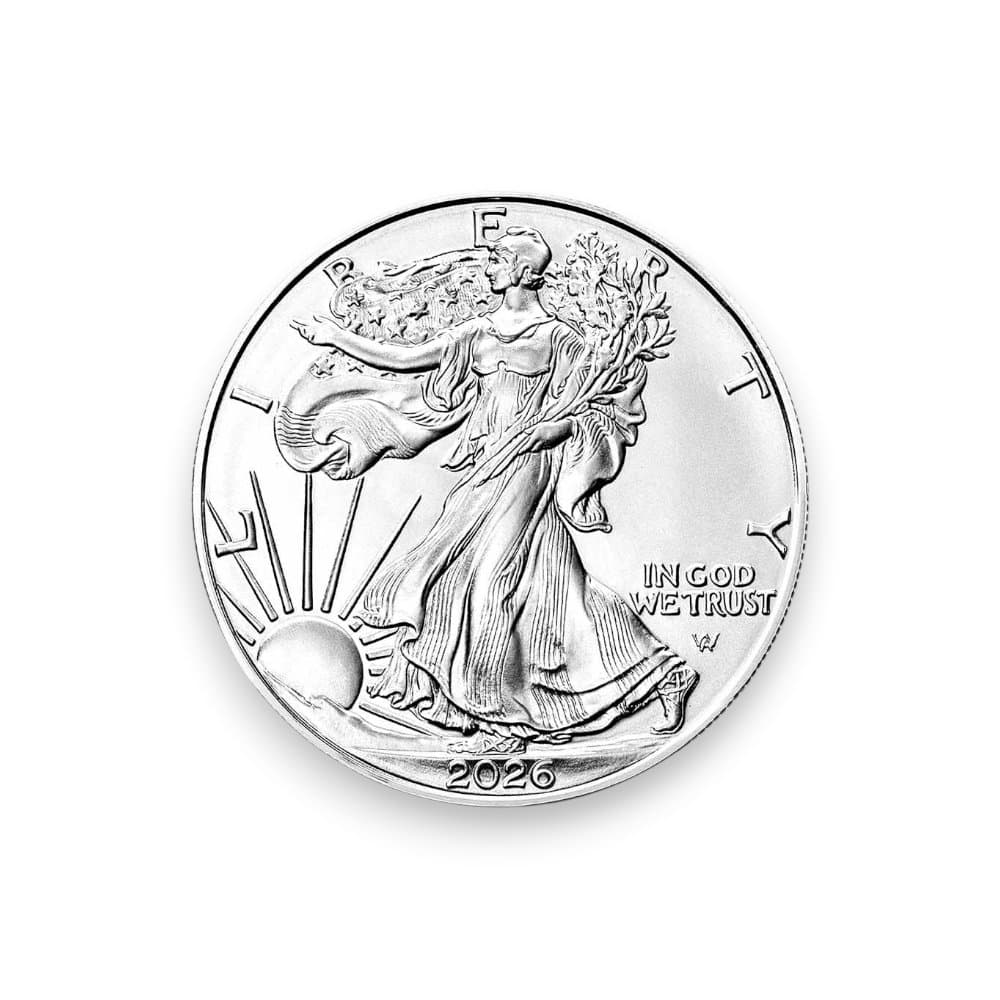
A Silver Eagle. Plenty of people's first silver coin. It's a full troy ounce of .999 fine silver, as federal law specifies, with Walking Liberty striding across the front. Proofs sold by the Mint come in a presentation box with a certificate. If you buy one secondhand, make sure the listing mentions both.
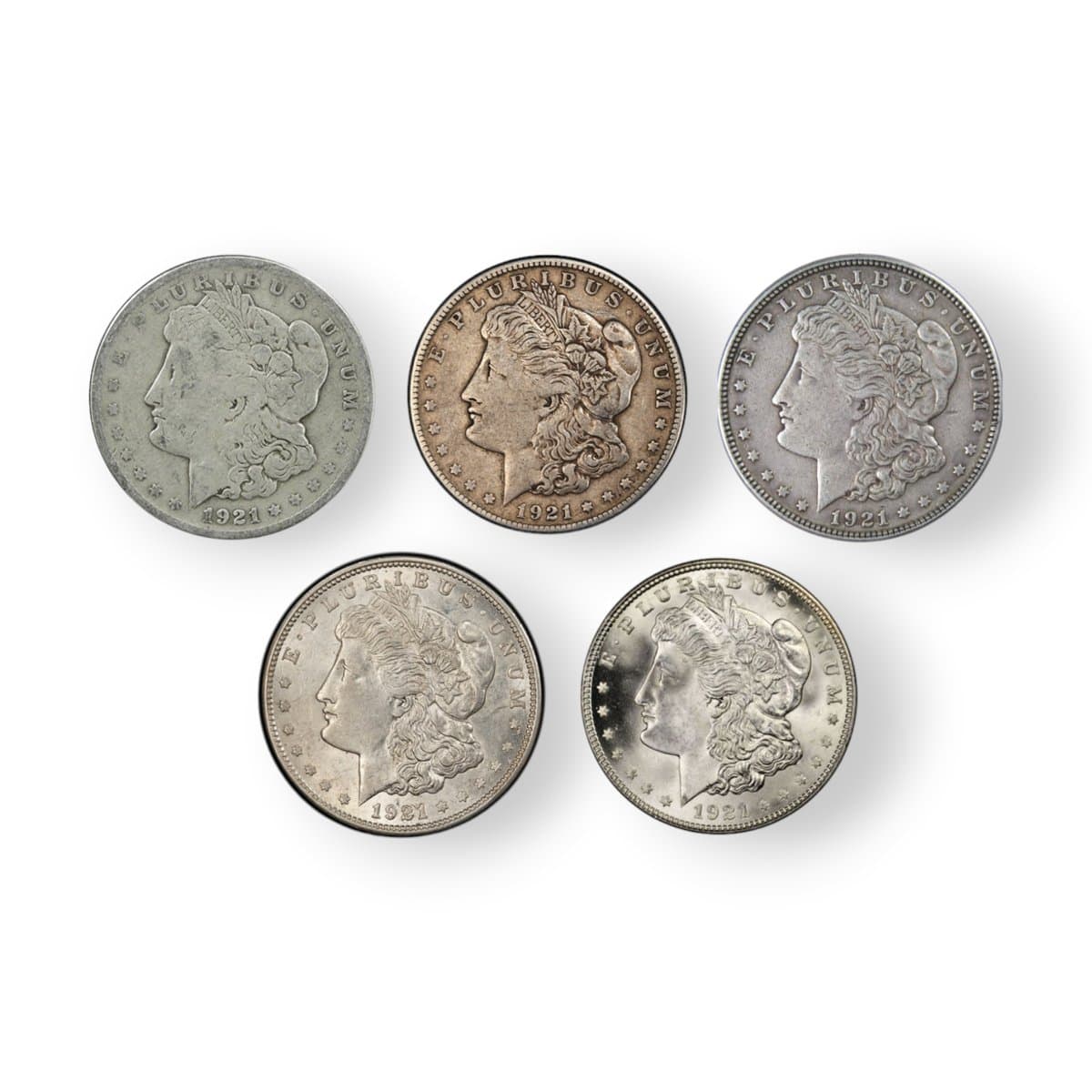
A Morgan dollar. The originals were struck from 1878 to 1904, plus one more year, 1921. It was ordinary money in its day, and a kid gets to hold a coin that may have been spent at a store a century ago. A certified one is sealed in a hard plastic holder, so small hands can pass it around without touching the coin. What sets a Morgan dollar's price is covered in its own post if you're curious before buying.
The last two are where Pure fits. Pure's marketplace has product pages for both, and our gold and silver gifts page collects whatever is listed under $250 when you look. We test every item ourselves before it ships, items that pass ship Pure Qualified, and shipping is insured. For an adult who already collects, our gold and silver gift ideas list is the better fit.
Where they go from here
The American Numismatic Association runs a Young Numismatists program for grades K through 12. The part kids get excited about is the YN auctions: members earn YN Dollars by doing coin projects and spend them in monthly auctions. Middle and high schoolers can join the YNA coin club, which meets monthly. A local coin club is the other route, and many welcome kids at meetings.
Some kids collect for a year and move on. Some are still at it at sixty. You won't know which until you hand them the folder. For the ones who stick with it, our list of gifts for coin collectors covers the serious stage.
Frequently Asked Questions
What age is right to start coin collecting?
Around five or six for sorting and filling a quarter folder; reading dates and mint marks comes a couple of years later. The ANA's youth program starts at kindergarten, so there's no real floor.
Are the 2026 quarters made of silver?
The ones in circulation aren't. They're copper-nickel clad, like every circulating quarter since 1965. So far in 2026, silver versions have come only in the Mint's Semiquincentennial Silver Proof Set and in 250 numbered 2.5-ounce strikes of the July 4th design.
Should my kid clean old coins?
No. Leave the dirt and the dark color alone. Cleaning scratches the surface for good, and collectors would rather see an old coin looking old.
What's a good first book about coins for a kid?
For young kids, a picture book from Whitman's children's line. For kids comfortable with a reference book, the Red Book. It's thick, but they'll use it more than you'd expect, because it answers the first thing every kid wants to know: how many of each coin were made.
Start this weekend
Pick a theme, buy one folder, and get a roll of quarters. If the folder fills and they want more, a first silver coin is a good next step, and our gift page is a place to start looking.