

How to Sell a Coin Collection: A Step by Step Guide


Most people who set out to sell a coin collection did not build it. It arrived, in a closet or a safe deposit box, as a few binders and a coffee can of loose silver, and the person now holding it has no idea whether they are looking at a few hundred dollars or a few thousand. That uncertainty is the actual problem. Knowing how to sell a coin collection starts with figuring out what is in it, because a collection is almost never one thing, and its parts sell in completely different places for completely different reasons.
The order below is what saves people the most trouble.
Start by Sorting the Collection Into Three Piles
Nearly every mixed collection breaks into three categories, and each one is priced by a different logic. Sorting first is what stops you from selling a scarce coin for its metal weight, or from waiting on an appraisal for a jar of common silver quarters that nobody will price individually.
You do not need to identify every coin. You need to know roughly how much of the collection falls into each pile.
Bullion, Valued on Metal Content
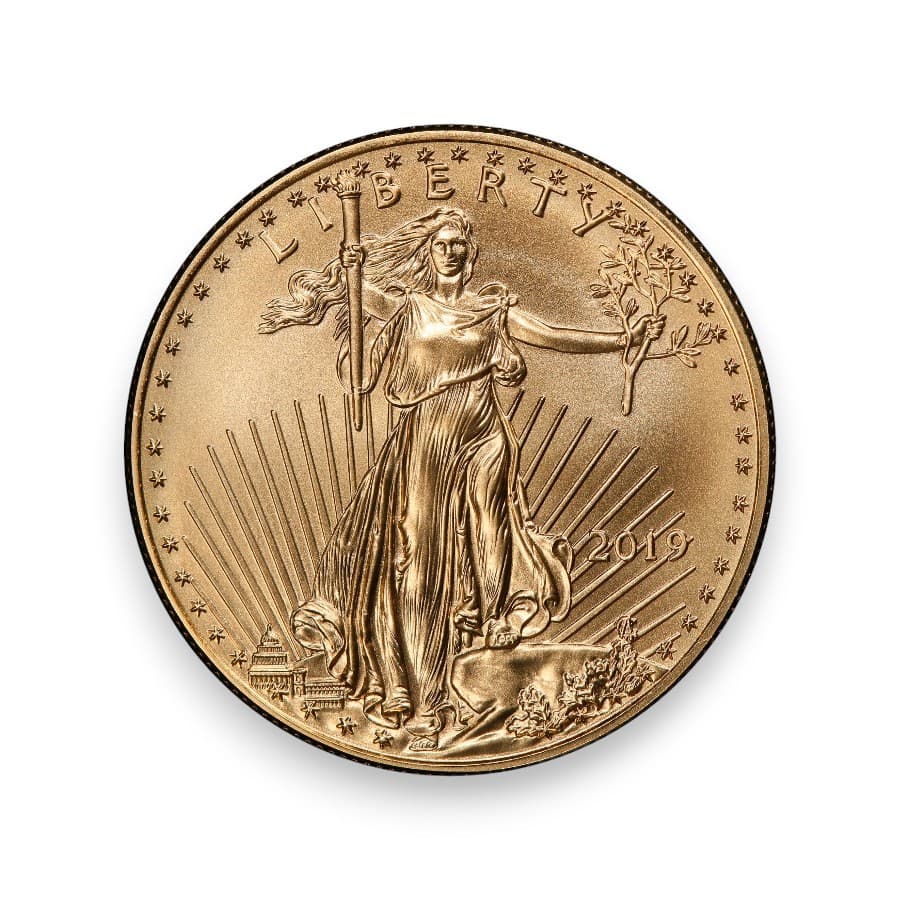
Bullion is bought and sold for the metal in it. Modern one ounce gold and silver coins, bars, and rounds all sit here. A 2019 American Silver Eagle and a 2015 American Silver Eagle in the same condition are worth close to the same thing, because what you are selling is an ounce of silver plus a small premium for the form it takes.
This pile is the easiest to price, because the metal has a published spot price that moves all day, and the premium above it is fairly consistent for common products.
Rare and Collector Coins, Valued on Scarcity and Condition
Collector coins, also called rare coins or numismatic coins, are priced on scarcity, date, mint mark, and condition. Two coins that look identical to an untrained eye can be worth very different amounts because of a mint mark the size of a pinhead or a difference in wear that only shows under magnification.
This is the pile worth slowing down on. It is also the pile where selling in a hurry costs the most, because a buyer who has to price an unsorted lot quickly will price it conservatively.
Face Value Silver, Often Called Junk Silver
United States dimes, quarters, and half dollars dated 1964 and earlier were struck with real silver content. Collectors call these junk silver, which is misleading, since there is nothing junk about the metal. The name only means the coins are common enough that what they sell for is the silver in them.
Junk silver is priced off face value instead of per coin, so no individual coin needs to be assessed. We cover the compositions, the math, and where to sell it in how to sell junk silver coins.
How to Tell What a Coin Collection Is Worth
Once the piles exist, valuation becomes three smaller questions instead of one unanswerable one.
For the bullion pile, the math is close to arithmetic. Count the ounces and look up the current spot price for that metal, and you have the metal value of the pile. What a buyer actually pays sits above or below that figure, depending on the premium the specific product carries and on how that buyer makes money.
For the rare and collector pile, value depends on grade, and grade is a judgment call until a third party makes it official. Professional grading services seal a coin in a holder with a number on the 1 to 70 Sheldon scale, which lets a buyer bid without inspecting the coin themselves. Grading costs money per coin and takes time, so it tends to make sense for coins where the grade could move the price meaningfully, and not for the rest.
For the junk silver pile, value comes from total silver content across the whole lot, not from any individual coin.
Two things are worth knowing before anyone gives you a number. First, a verbal over-the-counter estimate is not an appraisal, and a formal written appraisal is a separate paid service, usually done for insurance or estate purposes, not for selling. Second, an appraiser who also wants to buy the collection is being asked to do two jobs at once. That does not make them dishonest, but it is worth knowing which hat they are wearing when they name a figure. The American Numismatic Association runs a consumer awareness program for the hobby, including mediation when a transaction goes wrong.
Where You Can Sell a Coin Collection
There are four realistic places to sell coins, and they differ mostly in one respect: who decides the price. That single question explains most of what people find confusing about selling.
Venue | Who sets the price | Payout speed | Best suited to |
|---|---|---|---|
Local coin shop | The shop | Same day, usually cash | Small lots, junk silver, when speed matters most |
Auction house | Competing bidders | Weeks to months after consignment | Genuinely scarce or high grade coins |
Online dealer buyback | The dealer, by quote | Days, after shipping and review | Common bullion, standardized products |
Peer to peer marketplace | Competing buyers on an open book | Days, after verification | Bullion and certified coins with active demand |
Local Coin Shops
You walk in, someone looks at what you brought, and you leave with cash. Nothing else is that fast, and for a small lot or a bag of junk silver that speed is often worth more than anything else about the transaction.
What a shop offers sits below what it later sells the coins for, and that is structural rather than anything to do with the person across the counter. A shop buys to resell, so its offer has to leave room for its own margin, its overhead, and the risk that a coin sits in the case for a year. It is also why the same collection can draw noticeably different offers from two shops on the same street.
Auction Houses and Consignment
For coins that are genuinely scarce, an auction puts competing bidders in the same room and lets them settle the price. That is the strongest argument for consignment, and for the right coin it is the right answer.
The costs are time and fees. Consignment runs on the auction house's calendar, so weeks or months can pass between handing over the coins and receiving payment, and the seller's commission comes out of the final price. For common material, those costs usually outweigh the benefit of competitive bidding.
Online Dealer Buyback Programs
Most large dealers will buy directly from the public. You request a quote, the dealer locks a price for a defined window, you ship the coins in, and payment follows once they arrive and are checked.
This is efficient for standardized bullion, where a dealer can price a product confidently without seeing it. It works less well for a mixed collection, because a single quote has to cover items the dealer cannot fully assess in advance. We put an online offer and a walk-in offer side by side in selling gold online vs a local dealer.
Peer to Peer Marketplaces
A marketplace works differently from all three of the above, because the platform is not the one buying. Sellers list, buyers bid, and the price comes from what those buyers are willing to pay right now. On an order book you can see the standing bids before you commit to anything, which makes it possible to compare an offer against live demand instead of against a private quote.
The tradeoff is that a marketplace depends on there being buyers for what you have. Common bullion and widely traded certified coins usually have standing bids. Unusual or unpopular material can sit.
If You Inherited the Collection
Inheriting a collection puts you in a different position from a collector selling down. You likely do not know what was paid, why particular coins were kept, or whether the binders reflect a plan or forty years of accumulation. A few things make it easier.
Do not clean anything. Cleaning a collector coin damages the surface and reduces what it is worth, and the damage cannot be undone.
Photograph the collection as you found it, before sorting. If several people have a claim on the estate, a shared record of what existed at the start prevents a great deal of friction later.
Sort before you seek offers, using the three piles above. A collection presented as three organized categories gets assessed more carefully than the same coins in a shoebox.
Split the sale if it makes sense. There is no rule that a collection has to leave in one transaction, and the pile that is best served by a coin shop is rarely the pile that is best served by an auction.
There is also no deadline here. Bullion and collector coins do not spoil, and nothing about an inheritance requires a fast decision.
On taxes and estate paperwork: rules on inherited property and reporting vary by state and by situation, so treat this as a question for a tax professional or the attorney handling the estate rather than something to work out from a blog post.
How Selling on Pure Works
Pure is a marketplace, not a dealer, so we are not the ones buying your coins. Buyers and sellers meet on an open order book, and you can see the live bids on a product before deciding whether to sell into them.
The flow is straightforward. You place a sell order at /checkout/sell, then ship the items to us on a prepaid, insured label. We test every item ourselves on arrival to confirm the metal and the product, and items that clear that check are marked Pure Qualified. The order is matched and paid once verification is done, and how selling on Pure works walks through the whole process.
Selling fees are tiered by item type and come down as your quarterly volume rises. The current tiers are published in full in Pure's selling tiers. Buyers pay no marketplace fee, so the seller rate is the fee.
Pure trades bullion and certified coins. It is not the right venue for raw collector coins that need individual assessment, or for jewelry and sterling flatware. For those, one of the other three venues above will serve you better.
Frequently Asked Questions
What is the best way to sell a coin collection?
There is no single best venue, because the right answer depends on what the collection contains. Rare, high grade coins tend to do best where bidders compete for them. Common bullion and certified coins are well served by dealer buybacks or marketplaces. Junk silver and small lots often make the most sense at a local shop, where the speed is worth more than anything else. Most mixed collections are best split across more than one.
How do I value my coin collection?
Sort it into bullion, collector coins, and face value silver first. Bullion and junk silver can be estimated from metal content and current spot prices. Collector coins depend on grade, which usually needs either a professional grader or someone knowledgeable looking at the actual coin. For a formal valuation, use an appraiser who is not also trying to buy the collection.
How do you get the most money for a coin collection?
Most of the difference comes from two things that happen before any money changes hands: sorting the collection before you seek offers, and matching each pile to a venue that prices that kind of material properly. An unsorted lot has to be priced by whoever is looking at it, and a buyer pricing a mixed group quickly has to be conservative about what might be in it.
Three smaller things help. Do not clean anything. Get more than one number on the rare and collector pile, since that is the pile where estimates vary. And treat splitting the collection as normal rather than a complication, because the pile a coin shop prices well is rarely the pile an auction prices well.
How do you get coins appraised without getting ripped off?
Get more than one opinion, and ask each person to explain how they arrived at the number instead of just stating it. Ask whether they are pricing on metal content or on collector value, since that distinction accounts for most large gaps between offers. Be clear about whether you are asking for a buying offer or a paid appraisal, because those are different services.
Are coin collections worth anything?
Usually yes, though often not for the reasons the seller expects. The metal content in bullion and pre-1965 silver can be calculated from weight and the current spot price, without anyone needing to find the coins interesting. Collector value is a separate question and much harder to pin down, since it rests on scarcity and condition rather than weight. Sorting the collection is what tells you which of the two you are mostly holding.