

How Much Does It Cost to Make a Penny, Nickel, Dime & Quarter?

In fiscal 2024, the most recent year with full published figures for all four coins, a penny cost 3.69 cents to produce and ship, a nickel 13.78 cents, a dime 5.76 cents and a quarter 14.68 cents. Two of the four lost money on every coin. The penny lost so much that the Mint struck its last one on November 12, 2025, and the nickel, down to 13.31 cents in fiscal 2025, is the one Congress is working on now. Dimes and quarters still earn the government a profit. The old ones are a different story: pre-1965 dimes and quarters are 90% silver, and that metal still trades every day, which is why Pure keeps a live list of silver posted below spot.
Here are the numbers, why they are what they are, and what the end of the penny changes.
The cost of every circulating US coin, side by side
The Mint reports a unit cost for each denomination every year, covering the metal plus striking and delivery to the Federal Reserve. These are the figures from the fiscal 2022 through 2024 reports, as compiled by CoinNews and Coin World.
Coin | Face | FY2022 | FY2023 | FY2024 |
|---|---|---|---|---|
Penny | 1¢ | 2.72¢ | 3.07¢ | 3.69¢ |
Nickel | 5¢ | 10.41¢ | 11.54¢ | 13.78¢ |
Dime | 10¢ | 5.03¢ | 5.30¢ | 5.76¢ |
Quarter | 25¢ | 11.11¢ | 11.63¢ | 14.68¢ |
Half dollar | 50¢ | 17.15¢ | 25.98¢ | 33.97¢ |
The fiscal 2025 report put the nickel at 13.31 cents, down slightly from 13.78. Every cost went up in 2024 for one reason. Coin World's read of the report: "Metals acquisitions costs cause the bulk of the increases."
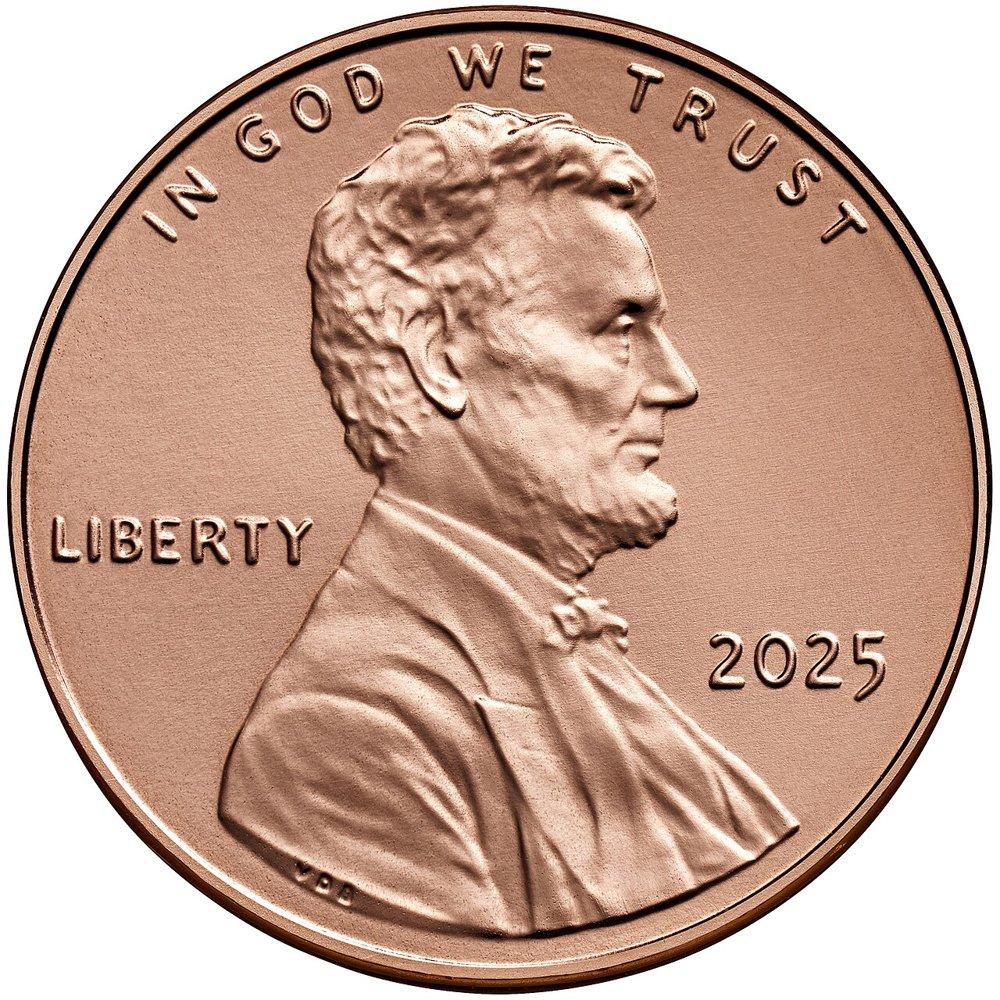
How much does it cost to make a penny?
A modern cent is a zinc slug with a thin copper coat, about 2.5 grams, 97.5% zinc and 2.5% copper since the middle of 1982. The metal is cheap. The problem is everything else, the press time and the plants and the shipping, all spread over a coin that is worth one cent when it leaves the building. Treasury's own FAQ on ending the penny says the full production cost rose from 1.3 cents to 3.69 cents over ten years.
Multiply that by volume. The Mint shipped 3.172 billion cents in fiscal 2024 and lost $85.3 million doing it, per CoinNews. The year before: 4.136 billion cents, $86 million lost. The penny had cost more than a penny every year since 2006.
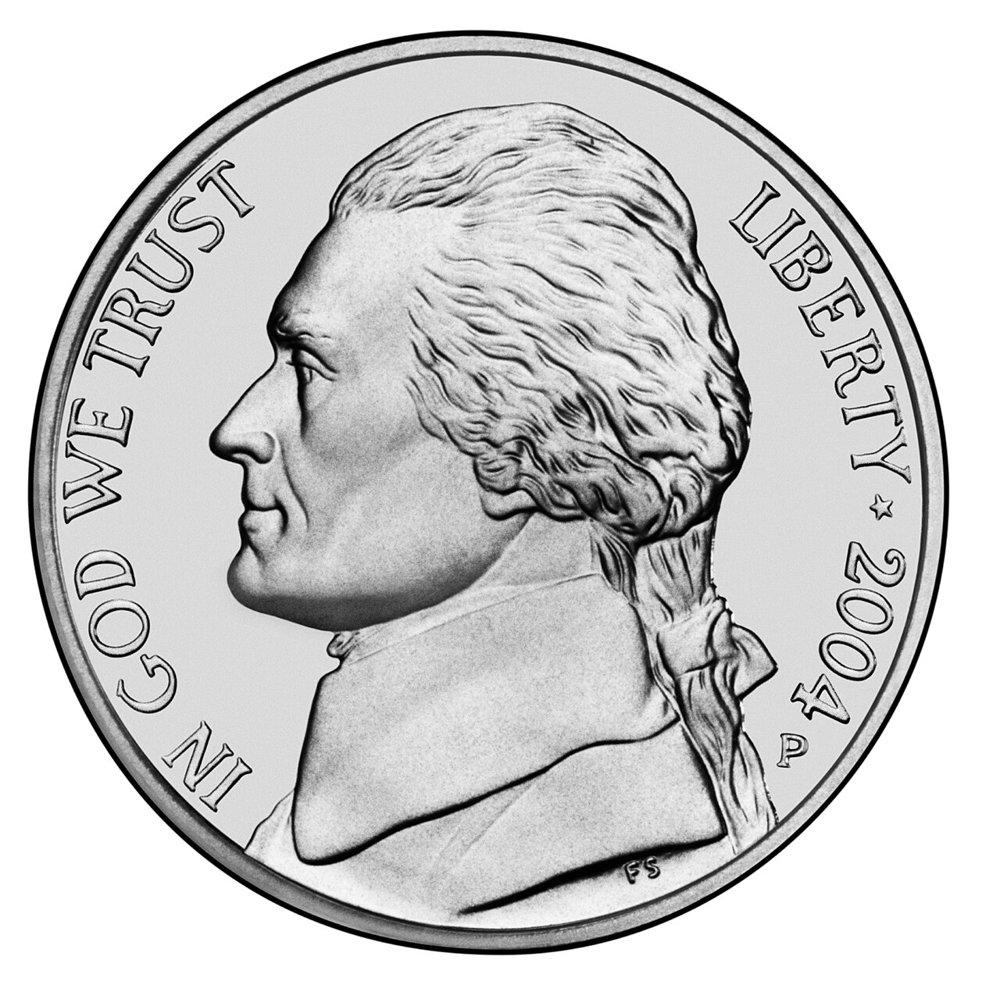
How much does it cost to make a nickel?
A nickel is 5 grams of solid cupronickel, 75% copper and 25% nickel by law, the only circulating coin made of the alloy all the way through. Both metals cost real money, so the coin has been underwater since 2006 too, and by a wider margin: 13.78 cents to make a 5-cent coin in fiscal 2024, almost three times face.
The loss swings with how many the Federal Reserve orders. Fiscal 2023: 1.416 billion nickels shipped, $92.6 million lost. Then orders fell to 202 million in fiscal 2024 and the loss shrank to $17.7 million, per CoinNews, while the per-coin cost went up, because fixed costs got spread over fewer coins. The fiscal 2025 unit cost came in at 13.31 cents.
That is why the nickel is next on the agenda. The Common Cents Act, H.R. 3074, passed the House on July 14, 2026, and its Senate companion S. 1525 passed on August 7. Both would let the Mint make a cheaper nickel with a zinc core under a nickel skin, the same idea as the 1982 penny, and CoinWeek notes the new coin is allowed only after testing shows it actually cuts the cost. As of November 10, 2026, no version had been signed into law.
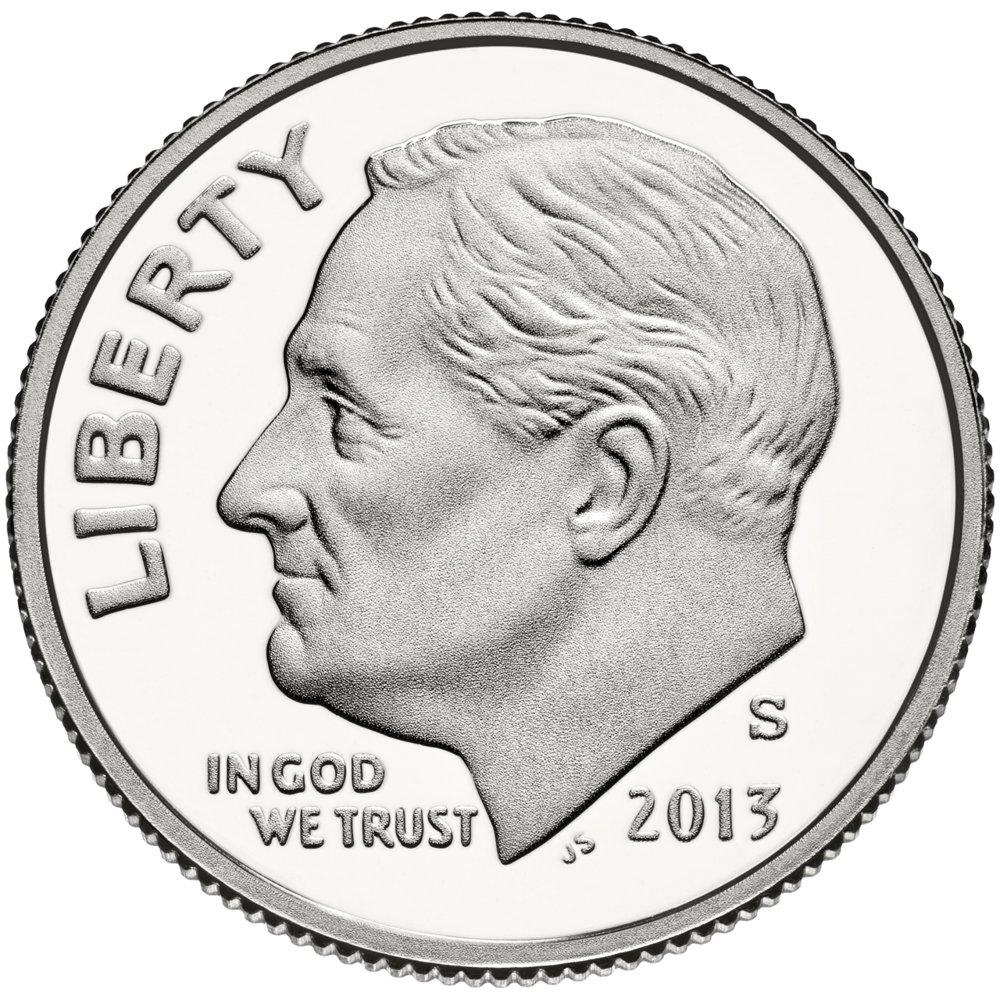
How much does it cost to make a dime or a quarter?
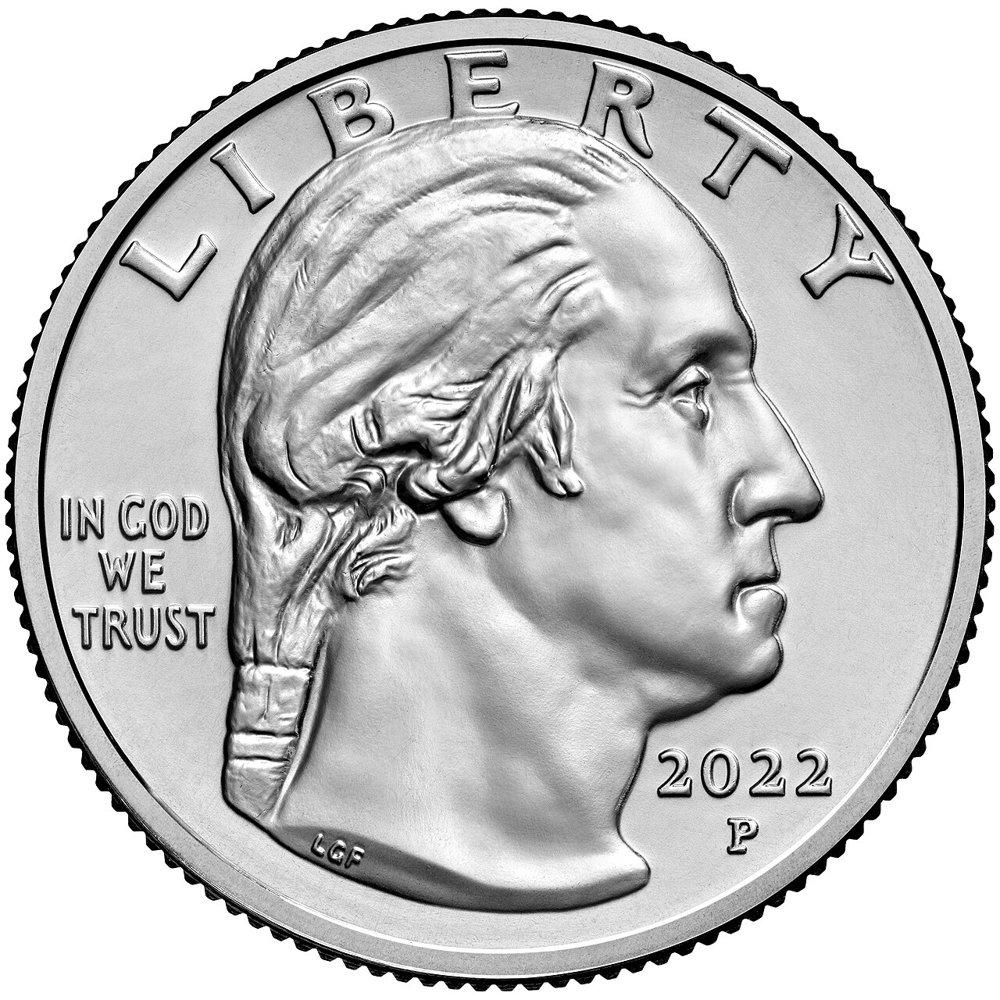
The dime and quarter are clad coins, three layers: a copper core between two layers of the same 75/25 cupronickel the nickel is made of. A dime weighs 2.268 grams and a quarter 5.67 grams, so the metal per coin is small next to the face value. At 5.76 cents for a dime and 14.68 cents for a quarter in fiscal 2024, each one earns the government the difference, and the 2026 Semiquincentennial quarters are struck on identical clad planchets at a similar margin. The Mint calls that seigniorage, and it is the reason the coin program paid for itself overall even in the penny years: $249 million in fiscal 2023, $99.5 million in fiscal 2024, with the quarter doing most of the earning.
The margin is thinner than it was. Treasury's budget documents show seigniorage per dollar issued falling from 26 cents in fiscal 2023 to 18 cents in 2024 and 6 cents in 2025, which the department blames on the mix of coins the Federal Reserve ordered and on metal prices.
What happened to the penny
The timeline is short. The President directed Treasury to stop minting pennies in February 2025. On May 22, 2025, Treasury confirmed the Mint had placed its last order of penny blanks. On November 12, 2025, at the Philadelphia Mint, Treasurer Brandon Beach pressed the button on the final circulating penny, and the last few struck were set aside for auction.
Nothing happened to the pennies already out there. Treasury's December 2025 FAQ says they remain legal tender, that the Federal Reserve will keep recirculating the roughly 114 billion in existence for as long as it can, and that as the supply thins, merchants will round cash transactions up or down to the nearest five cents. Treasury put the immediate saving at $56 million a year in materials alone. Congress then moved to make it permanent: H.R. 10167 passed the House on September 14, 2026 and the Senate on September 28, ending penny production by statute except for collector coins and writing the five-cent rounding rule into law. It had not been signed into law as of November 10, 2026.
The older coins collectors look for
The Mint's problem, metal worth more than the coin, is what gives certain older coins a metal value above their face.
Cents struck before mid-1982, apart from the 1943 steel cents, are 95% copper, not plated zinc. The 100 pennies worth money list covers which dates matter beyond the copper.
Nickels dated 1942 to 1945 with a large mint mark over Monticello are the wartime issue, 35% silver. What year nickels are silver shows how to spot them.
Dimes and quarters dated 1964 and earlier, and half dollars too, are 90% silver and trade on their silver content, by the dollar of face value, which is what the silver under spot page lists when sellers post them at or below the metal price.
One rule applies to the modern coins: federal regulation 31 CFR 82.1 prohibits melting, treating or exporting cents and nickels, so a copper cent or a cupronickel nickel is worth its metal only as a coin, to a collector.
Questions people ask
How much does it cost to make a half dollar?
33.97 cents in fiscal 2024, per the Mint's annual report as compiled by CoinNews, up from 25.98 cents the year before. Half dollars are struck in small numbers for collectors rather than for general circulation, which is part of why the unit cost runs high.
How much money is wasted making pennies?
The Mint lost $85.3 million on cents in fiscal 2024 and $86 million in fiscal 2023, per CoinNews. Treasury put the saving from ending production at $56 million a year in materials alone.
Does the government lose money making coins?
On pennies and nickels, yes, every year since 2006. On dimes and quarters, no. The program as a whole still came out ahead in fiscal 2024, at $99.5 million, because quarter and dime earnings covered the $103 million lost on the two small coins.
Is the penny still legal tender?
Yes. Treasury's guidance says existing pennies remain legal tender and will circulate as long as the Federal Reserve can keep recirculating them. Only the production of new ones has stopped.