

Can You Buy Silver Under Spot? How It Actually Works


Spot price is what a raw ounce of silver costs on the wholesale market right now. Almost nothing retail sells at exactly that number, and most of what shows up when you search for silver "at spot" is a single item a dealer marked at that price to get you looking at their catalog. To buy silver under spot is a different, narrower thing: it happens when an individual seller, not a dealer, sets their own asking price on a live order book and chooses to price it there. Both are real. They aren't the same thing, and mixing them up is how people end up annoyed at a dealer for a bait-and-switch that was never really a switch, just a catalog price they misread as a market price.
What spot price actually means
Spot is a benchmark, set continuously through wholesale trading. Most retail sites quote the LBMA Silver Price, the reference most of the industry treats as the number of record. It isn't a retail price tag. Think of it the way you'd think of a wholesale grain price: it tells you what the raw commodity costs before anyone touches it. What you pay for a specific coin or bar is spot plus whatever it costs to turn raw metal into a verified, shippable, insured product someone will actually sell you.
Why most silver sells above spot
That gap between spot and the price you pay is the premium over spot price, and it's not padding. A seller has to account for the cost of verifying what they're selling, insuring it in transit, shipping it, and taking on the risk that the metal price moves against them before the sale closes. Coins and rounds carry more of that cost than bars, because there's more handling and more units to account for. None of this changes what the silver itself is worth. It's the cost of getting real, verified metal from a seller to your door.
It helps to actually understand what goes into that number instead of taking it on faith. How premiums actually get built walks through the pieces in more depth than fits here, and it's the natural next read if a listing's price has ever seemed arbitrary.
When buying at or below spot actually happens
Two situations make a below-spot price genuine instead of a marketing trick.
A live order book
Pure runs as an order book: each listing has its own highest bid and lowest ask, and every seller sets their own price rather than a dealer setting one price for everyone. A seller who wants a fast sale can list below spot. It isn't Pure discounting anything; it's one seller, among many, choosing that number. If you want to see what that looks like right now, current listings at or below spot are live on the marketplace, and how the order book sets each price is worth reading first so the numbers make sense.
Junk silver
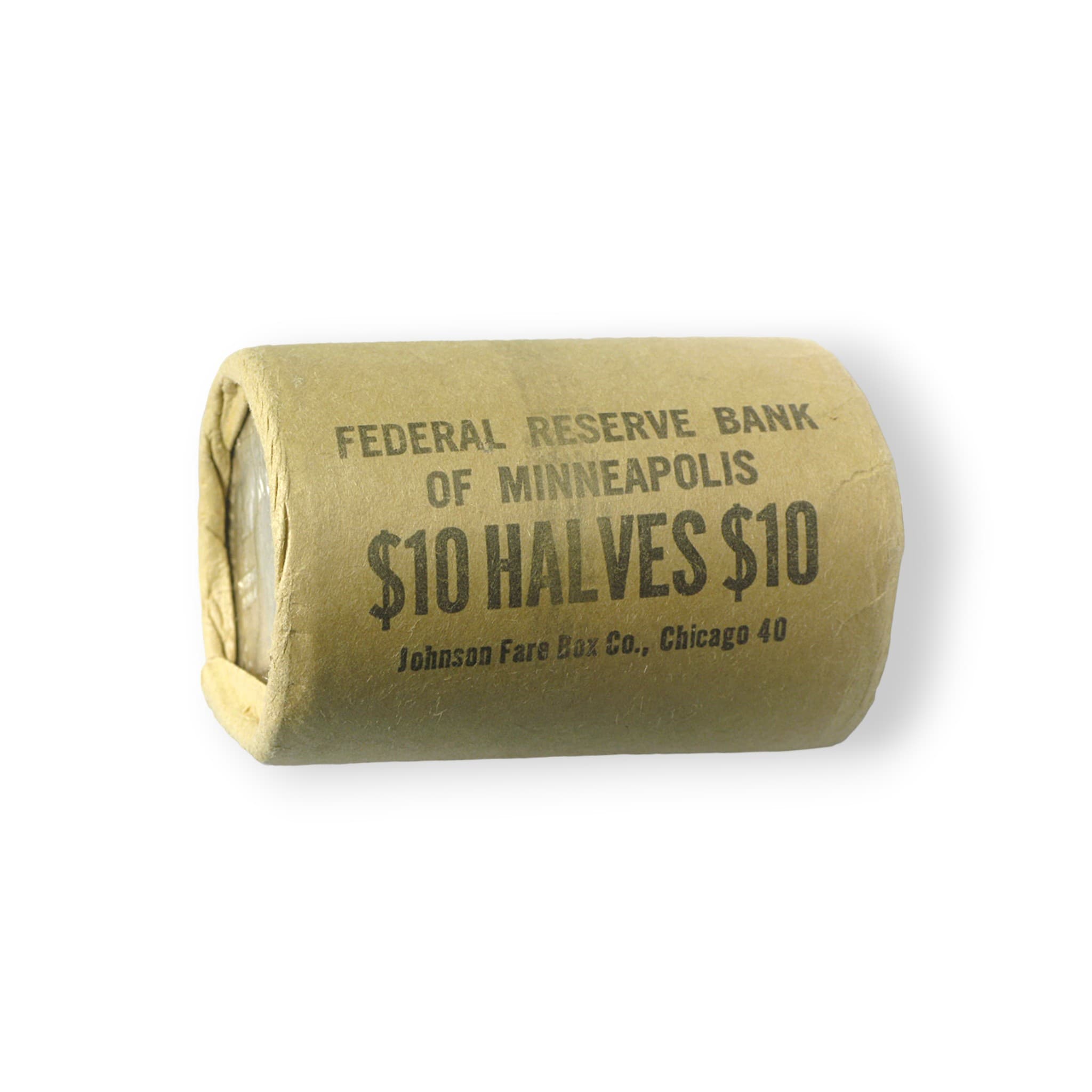
Pre-1965 US dimes, quarters, and half dollars are 90% silver. The Coinage Act of 1965 is the law that ended that standard, replacing dimes and quarters with copper-nickel clad coins and cutting half dollars to 40% silver, which is why 1964 is the cutoff collectors use. These older coins are called junk silver because they carry essentially no collector value beyond their metal content. That narrower cost structure is why junk silver premiums typically run tighter than premiums on new coins or rounds. There's no fixed percentage worth quoting here; every seller sets their own price the same way they would on any other listing, and the honest way to check a quote is to work out the melt value yourself first, then see where the asking price sits against it.
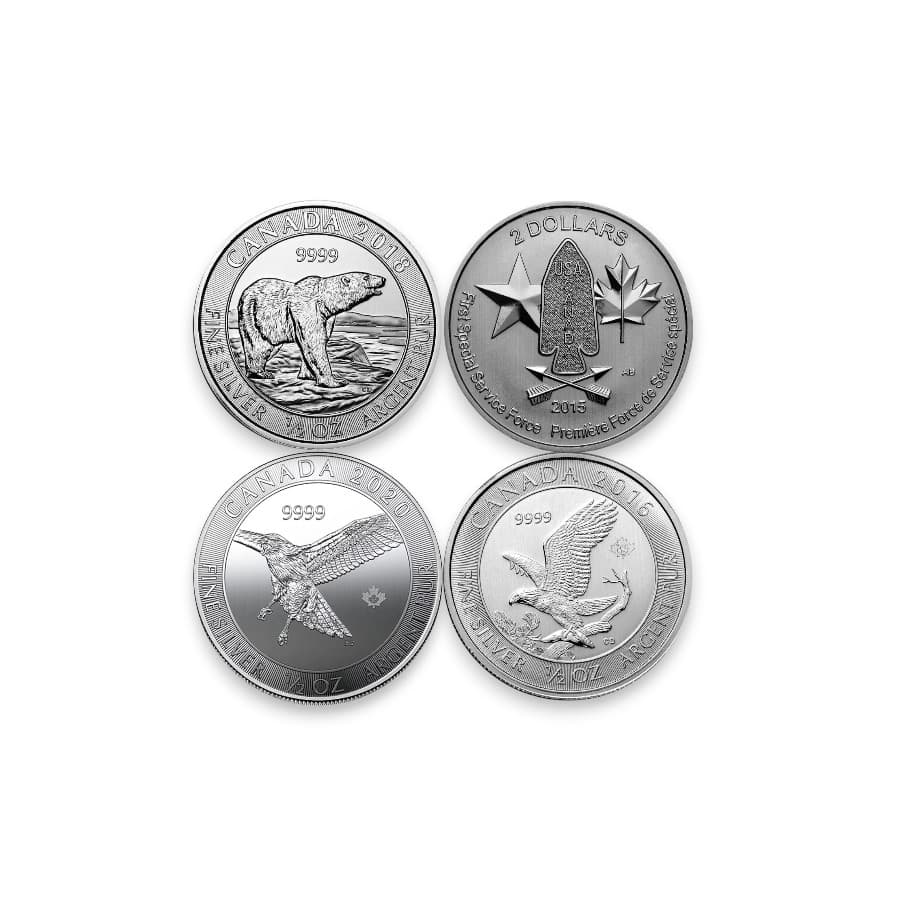
The difference between a "spot price deal" and an order-book ask
A lot of what ranks for "silver at spot" online is a single SKU, one specific coin or bar, marked at spot price as a promotional loss leader. It's a real tactic and it isn't dishonest on its own: a seller offers one item near cost to get you to look at the rest of the catalog, the way a grocery store prices a few items as door-busters. The thing to notice is that it's a marketing decision about one product, made by one seller, and it says nothing about what the next item on that same site will cost.
An order-book ask is different. Nobody decided to feature that price. It's just where a particular seller, out of many, chose to list, and the book updates continuously as sellers list, cancel, and get filled. That's why it's worth checking the current listings rather than assuming any number quoted here still holds.
How to tell if a below-spot price is legitimate
A few questions cut through most of the confusion:
Does the price match a real, current melt value? Multiply the metal content by the live spot price yourself. If the asking price is far below that, something is off. It isn't simply marked down.
Who actually set the price? A dealer's storefront price and an individual seller's listing on an order book are set by different people for different reasons. Knowing which one you're looking at tells you whether the price is a promotion or a market price.
Is there a real counterparty, and is the item verified? A legitimate below-spot listing still needs to be authenticated before it ships. If nobody's checking what's actually being sold, the price stops mattering. How buying works on Pure covers what that verification step looks like end to end.
None of that requires urgency. A silver listing that's genuinely priced at or below spot doesn't need you to act before you can think it through; if a pitch leans on how fast you need to move, that pressure is doing work the price should be doing on its own.
FAQ
Is it possible to buy silver at spot price?
Rarely from a single dealer's fixed catalog price, but it happens on a live order book where individual sellers set their own asking price. Junk silver, because it carries essentially no numismatic premium, is the other route that tends to land closest to spot.
Why do dealers mark up silver above spot?
The premium covers verification, insurance, shipping, and the seller's own margin and risk. None of that is arbitrary; it's the actual cost of turning raw metal into something you can safely buy and receive.
Does junk silver sell closer to spot?
Generally yes, because pre-1965 US silver coins carry metal value but little to no collector value. There's no fixed percentage, since every seller sets their own price, so the reliable check is calculating the melt value yourself and comparing.
Is a below-spot silver price ever a scam?
It can be, if the "silver" isn't verified or the seller isn't a real counterparty. A legitimate below-spot price on Collect Pure still goes through the same verification as every other listing before it ships. What makes a price suspicious isn't that it's low; it's that nobody can tell you why.