

What Is a Premium in Bullion Pricing?
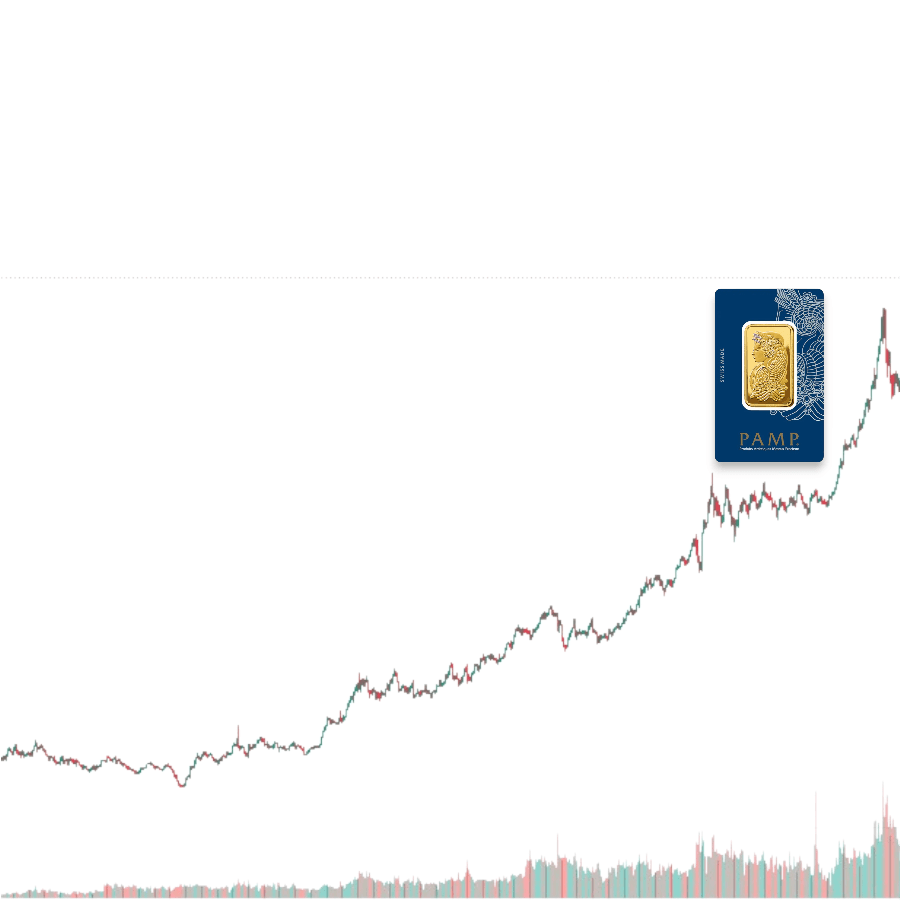

What Is a Premium in Bullion Pricing?
A premium is one of the most important, and often misunderstood, parts of bullion pricing. It’s not just a simple markup, it reflects the real-world cost of turning raw metal into a physical product and getting it into your hands.
At a basic level, the price you pay for bullion looks like this:
Final Price = Spot Price + Premium
The spot price is the global market rate for unallocated metal traded in large volumes. The premium bridges the gap between that wholesale benchmark and a finished, retail-ready product.
What actually makes up a premium
Premiums are layered. Each step in the supply chain adds a small cost:
Refining and fabrication: Raw metal has to be purified and formed into coins, bars, or rounds. Government mints and private refiners both charge fabrication fees.
Minting complexity: A simple cast bar is cheaper to produce than a detailed coin with intricate designs, security features, and finishes.
Packaging and verification: Assay cards, tamper-evident packaging, and serial numbers add cost but also increase trust and resale value.
Distribution: Shipping, insurance, storage, and handling all get baked into the price.
Dealer margin: Platforms and dealers need a spread to operate.
Market demand: This is the most dynamic piece, premiums expand and contract based on buying pressure and available supply.
Why premiums change over time
Premiums are not static. They move independently from spot price:
In high-demand environments (market uncertainty, economic stress), physical products can become scarce. Premiums rise because buyers are competing for limited inventory.
In calm or oversupplied markets, premiums tend to compress as supply catches up with demand.
Logistics disruptions (mint slowdowns, shipping delays) can also push premiums higher.
This is why you might see silver at the same spot price in two different months, but with very different retail prices. When sellers compete hard enough on a single order book, a few asks can even land at or below the benchmark, which is what a view of silver at or below spot price shows.
Different products, different premium profiles
Not all bullion is priced the same way:
Coins: Typically the highest premiums. You’re paying for government backing, recognizability, and liquidity. They’re often easier to resell quickly.
Bars: Lower premiums, especially as size increases. A 100 oz bar will usually have a much lower per-ounce premium than a 1 oz bar.
Rounds: Often the lowest premiums. They’re efficient to produce and ideal if your focus is purely on metal weight over brand.
The role of size
Size has a direct impact on premium:
Smaller units (1 oz or less) = higher premium per ounce
Larger units (10 oz, kilo, 100 oz+) = lower premium per ounce
This happens because manufacturing and handling costs don’t scale linearly with weight.
Premium vs. spread
It’s also important to separate premium from spread:
Premium = what you pay above spot when buying
Spread = the difference between buy price and sell price
When you sell, you typically receive spot price minus a small amount (or a reduced premium). Highly recognizable products tend to hold their premium better on resale.
Why premiums matter
Premiums directly affect your entry and exit:
A higher premium means you need a larger price move in the metal to break even
Lower premium products are more efficient for stacking ounces
Higher premium products may offer better liquidity and resale confidence
There’s no single “best” option, it depends on your goal. Some buyers prioritize the lowest cost per ounce, while others value flexibility and ease of selling.
Understanding premiums helps you read the real market, not just the spot price, and make more informed decisions when buying, holding, or selling bullion. The same competition can compress the gold premium, and a filtered view of gold at or below spot price makes those listings easy to find.