

What Is The Difference Between XRF Testing and Testing With A Sigma Machine?
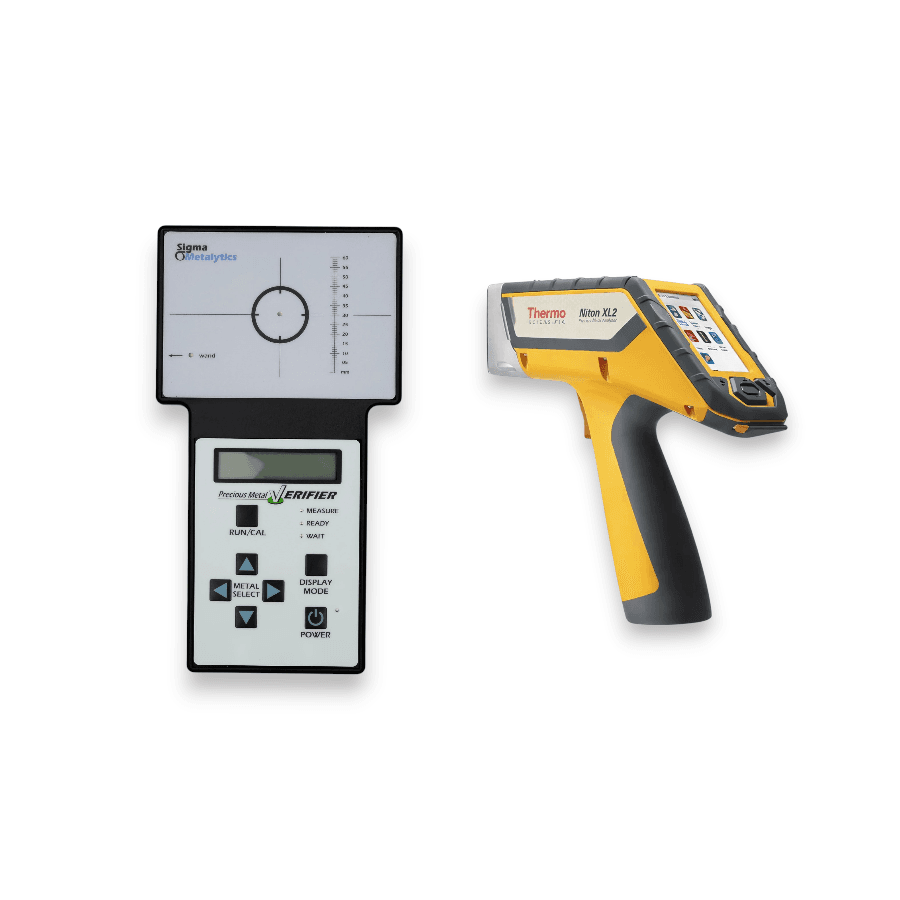

What Is the Difference Between XRF Testing and Testing With a Sigma Machine?
XRF testing and Sigma Metalytics testing are both widely used in the precious metals industry, but they work in very different ways. They’re often used together because each method checks a different property of the metal.
At a high level:
XRF testing identifies what elements are in the metal
Sigma testing verifies how the metal behaves electrically to confirm authenticity and purity
XRF Testing (X-ray Fluorescence)
XRF testing analyzes the elemental composition of a metal using X-rays.
When the machine is placed against a coin or bar, it:
Sends X-rays into the surface
Reads the energy emitted back by the atoms
Produces a breakdown of which elements are present and in what percentages
What it tells you:
Surface-level metal composition
Purity estimates (gold, silver, platinum content)
Whether unexpected metals or alloys are present
Key limitation:
XRF is surface-based, meaning it only reads the outer layer. This makes it vulnerable to:
Plated metals (e.g., tungsten core with gold plating)
Surface contamination or wear
Concealed internal structures
Sigma Metalytics Testing
A Sigma Metalytics machine uses electrical conductivity and resistance to verify precious metals.
Instead of analyzing elements, it measures how the metal responds to an electromagnetic signal and compares it to known reference values for genuine bullion.
What it tells you:
Whether a piece matches the expected conductivity profile of a specific metal
Whether the item is likely authentic based on internal structure
Approximate purity verification (depending on model and calibration)
Key strength:
Sigma testing can detect many internal counterfeits, such as:
Tungsten-filled gold bars
Layered or composite fake coins
Items that pass surface-level tests but fail conductivity checks
Main differences
Feature | XRF Testing | Sigma Testing |
Method | X-ray elemental analysis | Electrical conductivity measurement |
What it measures | Surface composition | Internal structure behavior |
Destructive? | No | No |
Detects plating | Sometimes | Often more effectively |
Detects internal fakes | Limited | Strong capability |
Speed | Very fast (seconds) | Fast (seconds to minutes) |
How they work together
Neither method is perfect on its own, which is why they’re often used in combination:
XRF confirms what the metal appears to be made of
Sigma helps confirm whether the item behaves like genuine bullion internally
For example:
A gold-plated tungsten bar might pass visual inspection and even appear correct on XRF at the surface
But Sigma testing would likely detect abnormal conductivity and flag it as suspicious
Why this matters in bullion verification
As counterfeit methods become more sophisticated, relying on a single test can be risky. Combining XRF and Sigma testing gives dealers and marketplaces a stronger verification process:
Faster intake screening
Reduced counterfeit risk
Higher confidence in inventory authenticity
Better protection for buyers and sellers
In short
XRF tells you what the surface is made of, while Sigma testing tells you whether the metal’s internal properties match genuine bullion. Used together, they provide a much more complete picture of authenticity than either method alone.