

2026 "July 4th" Quarter: How to Spot One and What It's Worth

2026 "July 4th" Quarter: How to Spot One and What It's Worth
You heard there are special July 4th quarters hiding in circulation, and now you are turning over every coin in your pocket. They are real. The US Mint struck 250,000 Declaration of Independence quarters with a "July 4th" privy mark and let them loose in ordinary change. The problem is they look almost identical to the standard 2026 quarter, so finding one comes down to two small marks most people walk right past.
What the "July 4th" quarter actually is
In 2026 the Mint released the Declaration of Independence quarter for the country's 250th anniversary. The standard coin entered circulation on June 1, and the Mint began selling rolls and bags directly on June 16.
The July 4th coin is a rare cut of that same design. The Mint made 250,000 of them, each carrying an extra "July 4th" privy mark, and pushed them out through banks ahead of Independence Day. Regular Declaration quarters run into the hundreds of millions. This version is a rounding error against that, which is exactly why collectors are paying attention.
You cannot buy the privy-marked coin from the Mint. It only exists in circulation. Find it or don't.
US Mint Director Paul Hollis called it "more than a coin," a release he described as "a defining moment in our nation's story."
How to spot a "July 4th" privy mark quarter
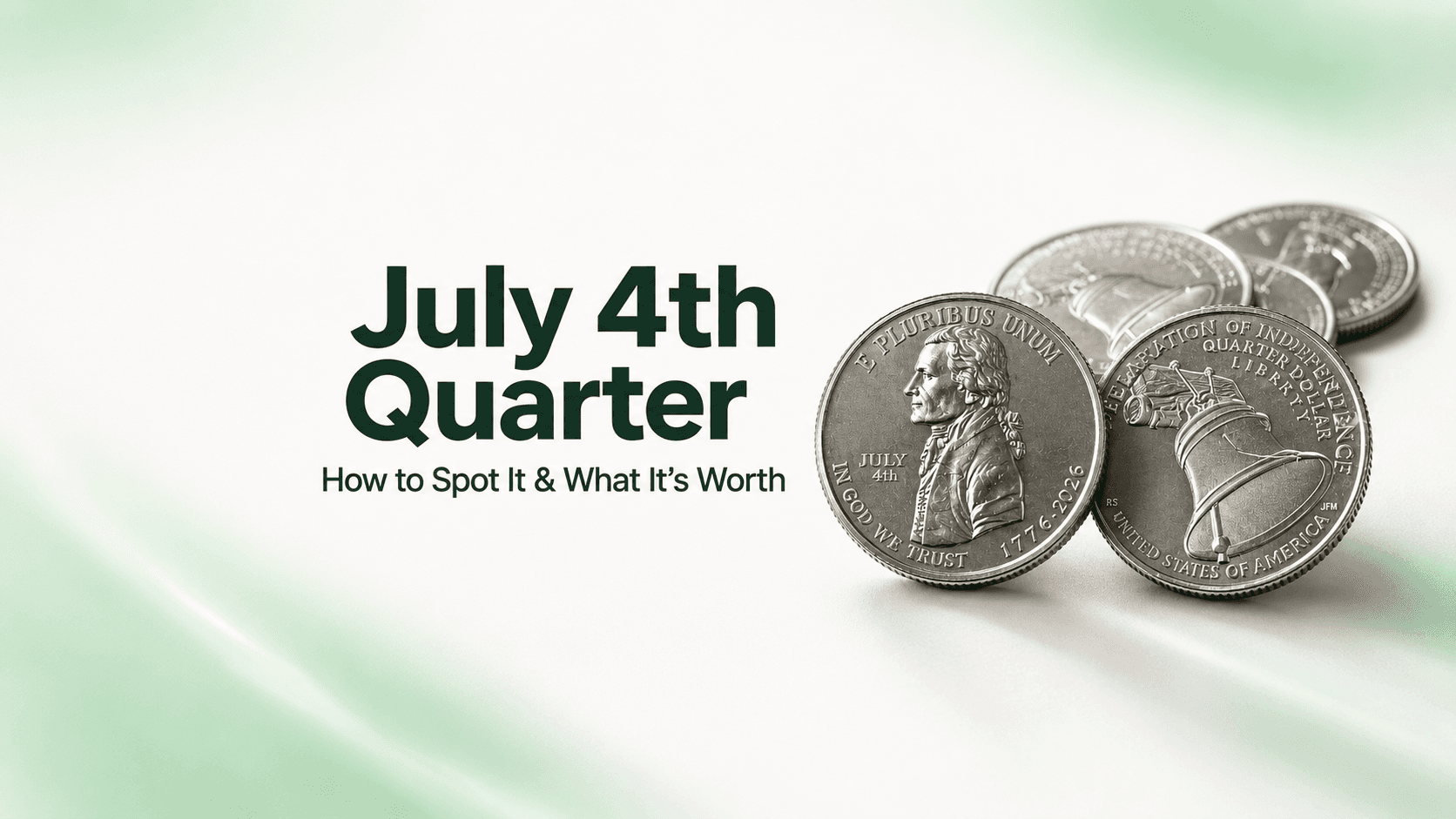
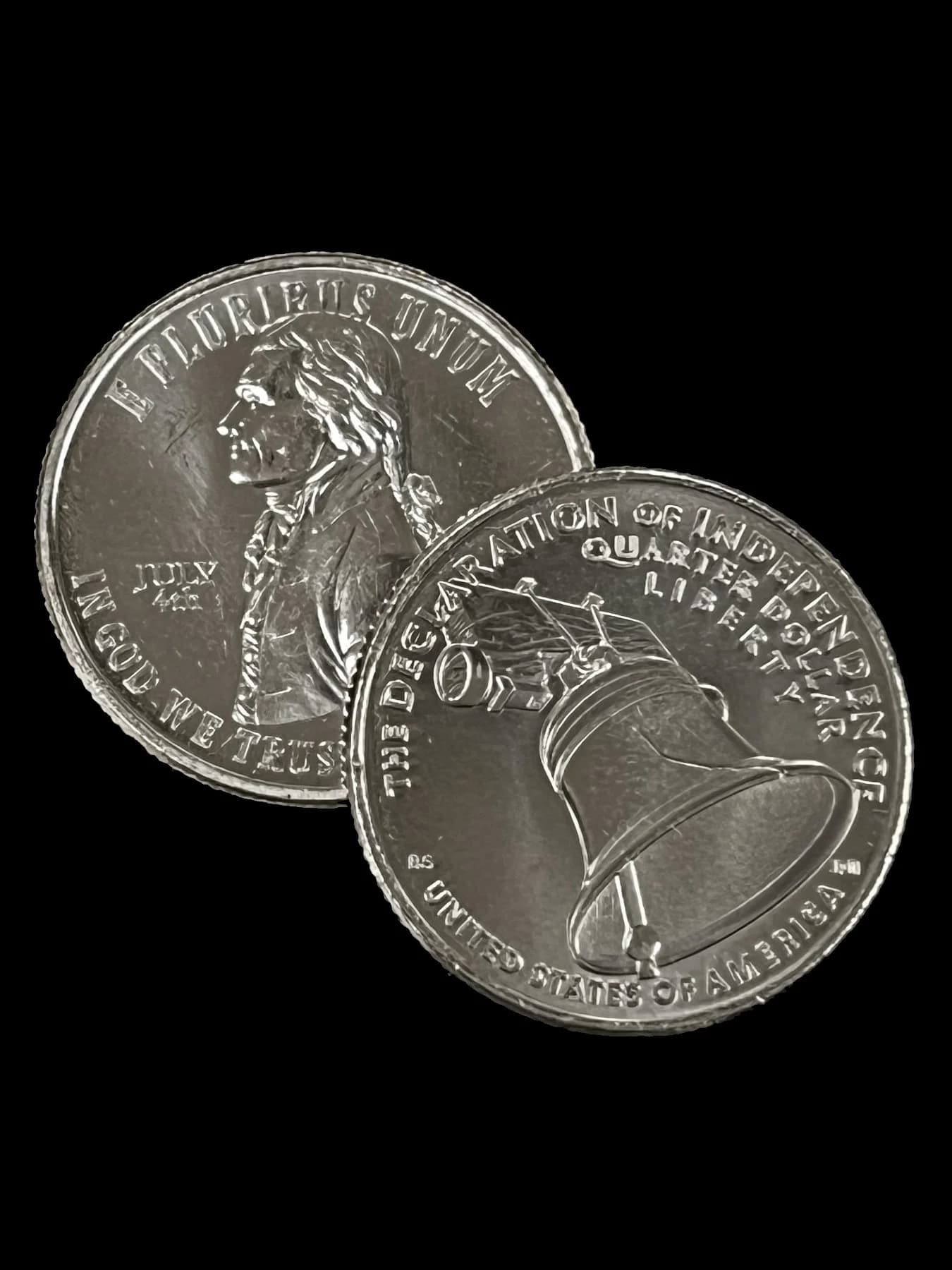
The coin wears the standard Declaration design, so nothing about it shouts at you. Jefferson sits on the obverse beside the dual date 1776 ~ 2026, and the Liberty Bell fills the reverse, crack and all. What sets the special coin apart is the small "July 4th" privy mark in the open field to the left of Jefferson, where a normal quarter shows nothing. Then check the mint mark. Standard 2026 quarters carry a P or a D, but the privy-marked coins were struck with none at all, so the one you want has a blank where that letter should be. Mark present, mint mark missing. That is it.
What a "July 4th" quarter is worth
A quarter is twenty-five cents. The copper-nickel in it is worth a few pennies, so the metal is not the story. Collector interest is, and low mintage is what drives it. The honest catch: almost every July 4th quarter that surfaces will have spent weeks rattling through tills and pockets, and a worn coin commands very little no matter how rare. There is no settled market price for any of them yet either, because the coin is days old, so anything you see listed online is a hopeful ask rather than a sale.
The odds are steeper than the headlines suggest. At 250,000 coins scattered across hundreds of millions, you could work through a hundred bank rolls and never turn one up. That is not bad luck. That is the math.
What to do if you find one
Hold it by the edges and keep it somewhere dry. Oils and scratches drag down the grade, and grade is the whole game with a coin like this. If yours looks crisp and uncirculated and you think it has real value, the next step is professional grading, where a third-party service authenticates the coin and assigns it a number that serious buyers trust before they pay a premium. That proof, what a coin is and what shape it is in, is the same thing we verify on every listing at Collect Pure.
Where this sits among the 250th anniversary coins
The July 4th quarter is one small piece of a big year for the Mint, which is putting out a full run of 250th anniversary coins and medals in 2026. If that Liberty Bell looks familiar, it should. The Mint's Freedom Ringing Liberty Bell coins carry the same Liberty Bell motif, except they are struck in real gold and silver. A quarter from your change is a novelty with a collectible maybe attached. A gold or silver coin carries metal value you can check against the spot price any day of the week. If the hunt got you curious about coins that hold real weight, start there.
A few quick questions
How many are out there?
250,000. That sounds like a lot until you remember the standard Declaration quarters were minted in the hundreds of millions.
Does it have a mint mark?
No, and that is the tell. Regular 2026 quarters carry a P or a D. The July 4th coins were struck without one, so a blank mint-mark spot next to the privy mark is your confirmation.
Is it actually worth money?
Face value is twenty-five cents. The low mintage gives it collector appeal, but anything past that rides on condition and a market that has not settled yet.
Curious about coins with real metal behind them? Browse certified gold and silver on the Collect Pure marketplace.